
Methane emissions from coal mining present a significant environmental challenge, given methane’s potent greenhouse gas effect. Methane is about 30 times more effective at trapping heat in the atmosphere than carbon dioxide over a 100-year period. Indonesia, one of the world’s largest coal producers, faces substantial methane emissions from its coal mining operations. This case study examines the situation in Indonesia and draws lessons for India, which has a similar reliance on coal and faces growing methane emissions from its coal mines.
The State of Methane Emissions in Indonesian Coal Mining
Overview of the Problem
Indonesia is among the world’s largest coal producers and exporters, with its coal mining sector being a major source of methane emissions. Unfortunately, these emissions are often underreported, leading to an incomplete understanding of their environmental impact.
Reporting Gaps
Out of the ten largest coal mining companies in Indonesia, only four—Indo Tambangraya Megah, Bukit Asam, Golden Energy Mines, and Indika Energy—report their methane emissions. Six out of ten big coal companies did not report coal mine methane, a significant contributor to coal mining emissions. This gap in reporting obscures the true environmental impact of coal mining in Indonesia.
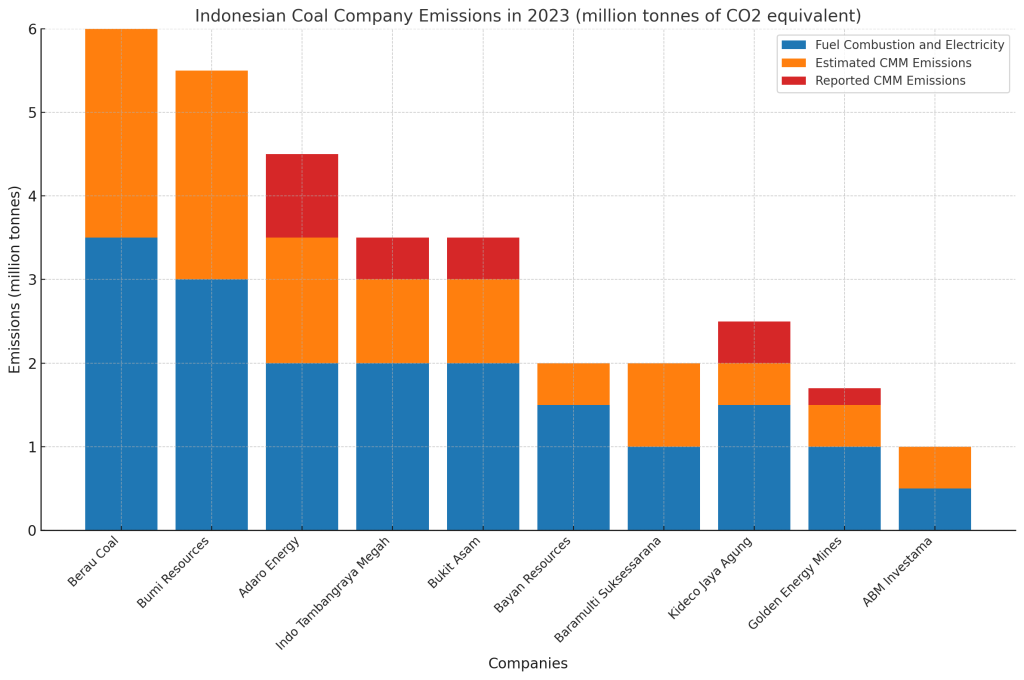
Source: Company’s sustainability reports and Ember analysis
Why is it challenging for Indonesia? And what can be done?
Here are a few reasons for the reporting gaps:
Regulatory Challenges
Despite Indonesia’s MEMR Regulation No. 22/2019 mandating the inclusion of coal mine methane in emission inventories, effective implementation and enforcement are still significant challenges. The lack of stringent oversight and penalties for non-compliance contributes to the underreporting.
Technological Limitations
While Indonesia has made strides in renewable energy, such as solar photovoltaic projects, there is a notable lack of targeted initiatives for methane emissions mitigation. Many coal mining companies lack access to advanced methane detection and reduction technologies, making accurate reporting difficult.
Here are the steps that can be taken up to address the challenges:
Enhanced Regulatory Framework
Strengthening the regulatory framework is crucial. This includes stricter enforcement of existing regulations and introducing penalties for non-compliance. Regular audits and mandatory reporting standards aligned with international practices can ensure better compliance.
Adoption of International Standards
Adopting international standards like the Global Reporting Initiative (GRI) could improve the quality and comparability of emissions data. This would enhance transparency and accountability, helping to bridge the current reporting gaps.
Technological Innovations
Investing in methane detection and mitigation technologies is essential. Encouraging the adoption of best practices from global leaders in methane management can help Indonesian coal companies reduce their emissions. Collaboration with international organizations can provide access to the latest technologies and methodologies.
Addressing the methane emissions from Indonesia’s coal mining sector requires a multi-faceted approach. By enhancing regulatory frameworks, adopting international reporting standards, and investing in technological innovations, Indonesia can significantly reduce its methane emissions. This will not only contribute to global climate goals but also improve the environmental sustainability of its coal mining sector.
What are the lessons for India?
India is the second-largest importer of Indonesian coal and has a growing coal mining sector. The country’s methane emissions from coal mines have risen significantly, from 2.8 million tonnes in 2019 to over 8.4 million tonnes in 2023. This increase underscores the need for India to address methane emissions from coal mining proactively. Here are key lessons India can draw from Indonesia’s experience:
1. Measurement and Reporting
- Accurate Measurement: Indian coal companies must begin with accurate measurement of methane emissions. This is essential for understanding the scale of the problem and developing effective mitigation strategies.
- Comprehensive Reporting: Emission reporting should be comprehensive and transparent. Adopting international standards such as those from the Global Reporting Initiative (GRI) can enhance the credibility and comparability of the data.
2. Regulatory Compliance
- Enforce Regulations: Indonesia’s Ministry of Energy and Mineral Resources (MEMR) regulation No. 22/2019 mandates the inclusion of coal mine methane in emission inventories. India can benefit from implementing similar regulatory measures to ensure that methane emissions are systematically measured and reported.
- Monitoring and Enforcement: Effective monitoring and enforcement of these regulations are crucial. This will ensure that coal companies comply with reporting requirements and take necessary actions to mitigate emissions.
3. Technological Innovations
- Methane Capture and Utilization: While Indonesian companies have focused on carbon dioxide reduction through renewable energy projects, there is a need to specifically target methane emissions. India should invest in technologies for methane capture and utilization, such as:
- –> Methane Drainage Systems: Implement systems to drain methane from coal seams before and during mining.
- –> Utilization of Captured Methane: Use captured methane as an energy source, converting it to electricity or heat, which can provide additional economic benefits.
4. Diversification and Risk Management
- Reduce Dependence on Coal: Indonesian companies are beginning to diversify into renewable energy and electric vehicles to mitigate environmental and investment risks. Indian coal companies should similarly explore diversification to reduce their dependence on coal.
- Invest in Renewables: Investing in renewable energy projects can help offset emissions and provide a sustainable energy mix. Solar, wind, and biomass projects can complement coal operations and contribute to reducing overall emissions.
5. Aligning with International Standards
- Adopt International Reporting Standards: By adopting international reporting standards, Indian coal companies can enhance the credibility and comparability of their sustainability efforts. This alignment will also help in meeting global investor and stakeholder expectations.
- Engage with Global Initiatives: Participating in global initiatives such as the Global Methane Initiative can provide access to best practices, technologies, and funding opportunities for methane mitigation projects.
Methane emissions from coal mining represent a significant environmental challenge that requires urgent attention. Indonesia’s experience provides valuable lessons for India, particularly in the areas of measurement, reporting, regulation, technological innovation, and diversification. By implementing comprehensive strategies to manage methane emissions, India can significantly reduce its environmental impact and contribute to global climate change mitigation efforts.
The transition to more sustainable coal mining practices will not only benefit the environment but also enhance the resilience and competitiveness of India’s coal sector in the long term.